The Development of Sliding Doors: From Traditional to Modern Styles
The development of sliding doors demonstrates a significant transformation in functionality and design across the centuries. From elaborate wooden structures in ancient castles to modern, sleek glass panels, these doors have adapted to evolving preferences and advancements. This progression mirrors wider architectural movements and material innovations. Understanding this progression can illuminate choices for contemporary spaces and enhance living experiences, inspiring a thoughtful examination of how these components can reshape the meaning of home.
Cutting-Edge Developments in Sliding Door Technology
Sliding door technology has experienced remarkable advancements, improving both performance and visual appeal. Modern innovations focus on improving user experience through advanced materials and design. Advanced glass solutions, such as high-performance variants, deliver enhanced insulation and UV shielding, contributing to energy efficiency while maximizing natural light. Moreover, smart system integration facilitates automated sliding mechanisms, frequently managed through mobile applications, boosting overall convenience.
Additionally, current sliding doors utilize refined, modern frames that suit a wide range of architectural styles, making them adaptable for residential and commercial spaces alike. Improved tracks and roller systems provide more seamless operation, limiting long-term wear and tear. Customization options, including an array of colors and surface finishes, give homeowners to design doors that reflect their individual style.
Such innovations not only improve the visual attractiveness of areas but also guarantee strength and functionality, representing a transition to modern living that values both aesthetics and functionality in sliding door design.
The History and Evolution of Sliding Doors
Though commonly connected to modern construction, the history of sliding doors dates back thousands of years. Ancient cultures, such as the people of China and Japan, constructed sliding doors known as “shoji” and “fusuma” panels, making use of lightweight materials like bamboo, rice paper, and wood. Such designs enabled versatile room arrangements and effortless transitions between indoor and outdoor spaces.
Within the Roman Empire, sliding mechanisms were advanced further, largely to improve convenience in public spaces. The implementation of doors that slide rather than swing instead of swing, became practical in densely populated areas.
During the Middle Ages, sliding doors re-emerged in European building design, frequently functioning as decorative elements in castles and stately residences. During the 1800s, the Industrial Revolution made possible the large-scale production of sliding doors, leading to their incorporation in both residential and commercial properties. This historical journey highlights the lasting popularity and practical benefits of sliding doors across diverse cultures and historical periods.
A Comparison of Sliding Door Materials: Past vs. Present
With the evolution of architectural styles, so too did the materials used for sliding doors, reflecting advancements in technology and design preferences. Historically, sliding doors were primarily crafted from wood, taking advantage of its natural appeal and abundance. Nevertheless, wood's tendency to warp and weather over time led to a pursuit of more resilient alternatives.
Within current design approaches, options such as aluminum, fiberglass, and composite options have become increasingly popular. Aluminum provides a clean, contemporary look while delivering superior durability and protection against corrosion. Fiberglass, alternatively, combines energy efficiency with the look of wood, requiring less maintenance and demonstrating superior weather resistance. Moreover, glass has established itself as a notable choice, facilitating effortless indoor-outdoor connections and optimizing natural light intake.
This progression in materials demonstrates a growing emphasis on efficiency and eco-conscious design, enabling homeowners to choose options that satisfy both design preferences and performance demands.
Selecting Classic Sliding Door Designs for Your Home
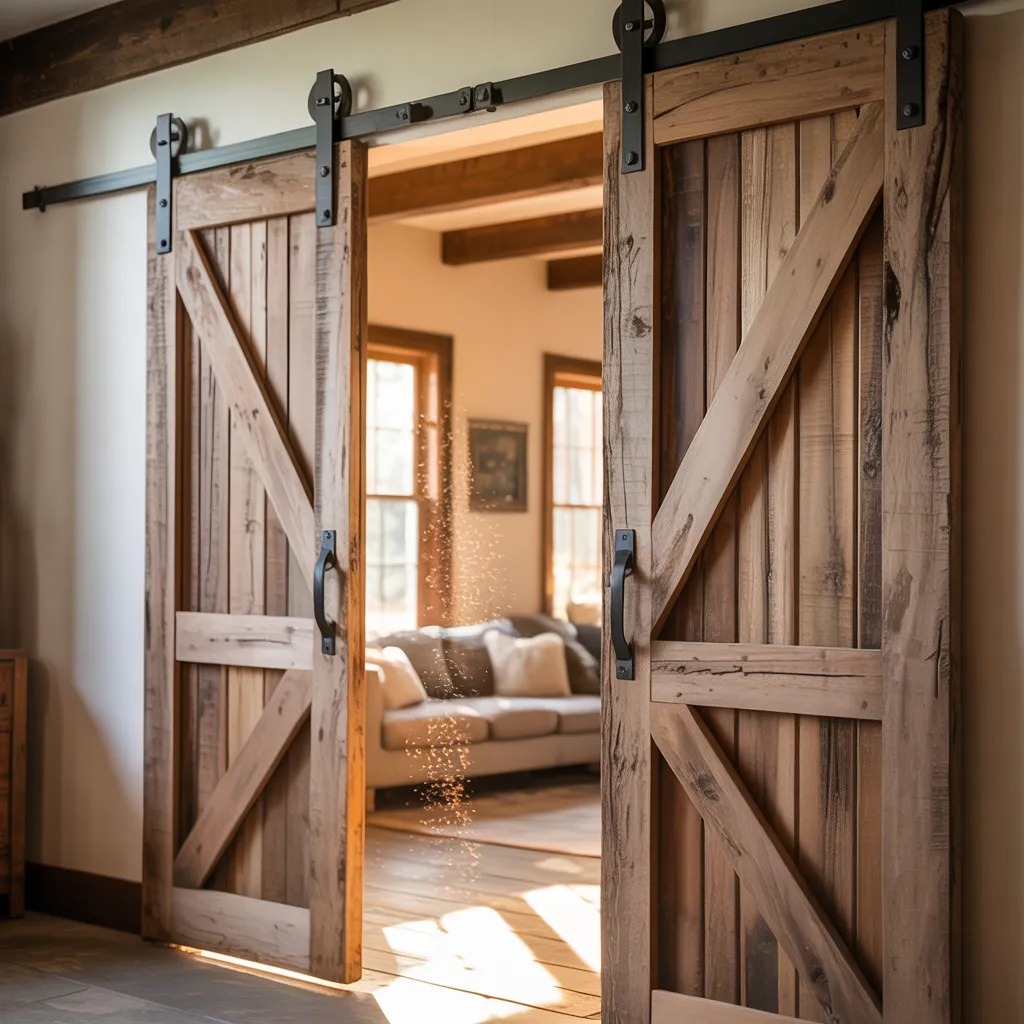
Classic sliding door styles offer a timeless appeal, seamlessly integrating with a wide range of home aesthetics. Frequently made from natural wood, these doors exude warmth and elegance, rendering them ideal for classic and contemporary spaces alike. Popular designs include the barn door style, which evokes rustic charm, and the pocket door, designed to optimize room space while preserving an elegant look.
The choice of glass panel options can improve natural lighting and establish an airy feel, making them ideal for linking indoor key information and outdoor living areas. Moreover, ornate hardware, such as antique-style handles and copyrights, can enrich the classic design, introducing exceptional character to the residence.
When choosing classic sliding doors, homeowners should evaluate architectural elements and color schemes to ensure harmony throughout their living spaces. By selecting traditional styles, one can achieve a cohesive and inviting environment that celebrates both functionality and aesthetic appeal.
How to Select the Right Sliding Door for Your Space
Selecting the ideal sliding door requires careful evaluation of both materials and appearance. Durability is critical, as the preferred material should withstand daily use while matching the overall aesthetic. Aligning the sliding door's look with present design elements establishes a harmonious look that improves the room.
Key Material Considerations For Durability
Durability plays a vital role in the selection of sliding doors, as the right material can greatly influence performance and lifespan. Popular material options include fiberglass, wood, vinyl, and aluminum, each offering distinct benefits. Wood offers timeless aesthetic value but may require regular maintenance to prevent warping. Fiberglass is recognized for its durability and weather resistance, making it ideal for various climates. Aluminum delivers a sleek, modern aesthetic while being lightweight, although it has a tendency to conduct temperature extremes. Vinyl stands out for being easy to maintain and highly energy-efficient, rendering it a widely favored selection for residential use. When choosing a sliding door, consider environmental exposure and usage frequency to guarantee the chosen material meets durability needs while complementing functional requirements.
Style Coordination With Décor
Picking the ideal sliding door can greatly elevate the general aesthetic of a space. To accomplish style balance, one must consider the existing interior style and architectural elements. For modern settings, streamlined, clean-lined designs with materials like glass or metal pair well with current furnishings. In contrast, classic spaces are enhanced by wooden doors showcasing fine detailing or elegant finishes. Hue also is a key factor; doors should either harmonize or stand out boldly with neighboring walls, furniture, and accents. For eclectic interiors, bold patterns or unique textures can act as focal points. At the core of it all, the selected sliding door should not only perform effectively but also resonate with the overall design vision of the room, creating a cohesive and inviting atmosphere.
How Contemporary Sliding Doors Improve Indoor-Outdoor Living
Today's sliding doors considerably elevate indoor-outdoor living by seamlessly merging indoor areas with the surrounding environment. These expansive glass panels offer clear, uninterrupted vistas, enabling natural light to pour into interior spaces while forming a scenic connection to outdoor environments. Within modern architectural styles, slender frames expand glass coverage, creating a sense of greater space and openness.
Functionality is another key aspect; most sliding doors function seamlessly, facilitating smooth access between inside and outside areas. This attribute fosters a more dynamic approach to living, accommodating entertainment and regular activities in an integrated setting. Additionally, modern materials offer improved insulation and security, providing coziness and security without diminishing design quality.
Landscaping and outdoor furniture can be harmoniously integrated, creating a cohesive environment that enhances relaxation and social interaction. At their core, modern sliding doors not only improve the architectural beauty of a home but also foster a lifestyle that welcomes the natural world and open-space living.

Questions We Often Hear
What Are the Average Costs of Installing Sliding Doors?
The standard costs of sliding door installation typically range from $1,000 to $2,500, influenced by materials, sizing, and the complexity of installation. Homeowners need to factor in supplementary expenses like hardware and any necessary structural modifications.
How Do I Maintain Sliding Doors Over Time?
Consistent care of sliding doors involves removing debris from tracks, lubricating rollers, examining seals for deterioration, and fine-tuning alignment. Ensuring proper function requires regular check-ups to stop grime from building up and ensure smooth operation over time.
Are Sliding Doors Considered Energy-Efficient Choices?
Sliding doors have the potential to be energy-efficient, most notably when featuring double or triple glazing. Appropriate fitting and weather stripping boost their effectiveness, minimizing heat loss and making them an ideal option for energy-aware homeowners.
Is It Possible to Customize Sliding Doors for Unique Spaces?
Sliding doors can indeed be customized to fit unique spaces. A wide range of materials, sizes, and designs enable customized solutions, ensuring they meet both aesthetic and functional requirements, enhancing the overall appeal of any environment.
What Safety Features Should I Consider for Sliding Doors?
When selecting sliding doors, one should consider features like toughened glass for durability against impacts, strong lock hardware to keep intruders out, anti-lift track systems to prevent forced removal, and protective sensors to prevent unintended closures.